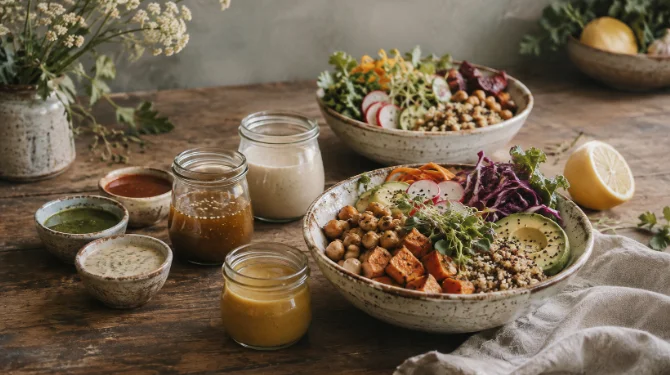
7 Vegan Grain Bowl Dressings and How to Pair Them
A bowl of quinoa, roasted vegetables and chickpeas can taste completely different depending on what you drizzle over it. Lemon tahini brings richness and brightness, miso-ginger adds savoury depth, and a maple Dijon vinaigrette brings out the natural sweetness of roasted root vegetables.
The best vegan grain bowl dressings complement the ingredients rather than overpowering them. These seven recipes use everyday pantry staples, require minimal preparation and offer enough variety to keep homemade lunches interesting throughout the week.
What Makes a Good Grain Bowl Dressing?
A grain bowl dressing generally needs more flavour and body than a dressing intended for delicate leafy greens. Cooked grains, legumes and roasted vegetables absorb liquid and can soften the intensity of a sauce, so a dressing that tastes quite bold on its own may be perfectly balanced once everything is combined.
Flavour Intensity
Quinoa, brown rice and barley provide a relatively mild foundation. Ingredients such as lemon juice, mustard, miso, garlic and vinegar help give the finished bowl a more distinctive character.
Consider what the other ingredients already contribute. Roasted squash and carrots bring sweetness, so they often benefit from something tangy. Mushrooms have an earthy, savoury flavour that pairs well with balsamic vinegar and herbs. Chickpeas are particularly versatile and work with everything from creamy tahini to a bright citrus vinaigrette.
Texture and Thickness
A good bowl dressing should coat the ingredients without leaving them swimming in liquid.
Creamy dressings made with tahini, sunflower seeds or silken tofu cling particularly well to roasted vegetables and larger grains. Thinner vinaigrettes are better suited to bowls containing fresh herbs, chopped vegetables and lighter grains.
For a simple consistency check, dip a spoon into the dressing. It should coat the back of the spoon but still fall off easily. If it sits in a thick mound, add water a teaspoon at a time.
Warm Bowls Versus Cold Bowls
Warm grains tend to absorb dressing readily, particularly when freshly cooked. Adding a small amount of vinaigrette while the grains are still warm can distribute flavour throughout the bowl.
Cold grain bowls often benefit from a brighter dressing because chilled ingredients can taste less aromatic. An extra squeeze of lemon or a little fresh ginger can make a noticeable difference.
For creamy tofu or plant-based yogurt dressings, add them just before serving rather than mixing them into steaming-hot ingredients.
How to Match Dressings to Different Grains
Start with the grain you have available, then consider the vegetables and protein you plan to add. The following combinations provide a useful starting point.
| Grain | Recommended dressing | Ingredients that pair well |
|---|---|---|
| Quinoa | Lemon tahini | Chickpeas, cucumber, parsley |
| Brown rice | Miso-ginger | Tofu, broccoli, edamame |
| Barley | Maple Dijon | Roasted carrots, lentils, kale |
| Farro | Balsamic and herb | Mushrooms, spinach, roasted peppers |
| Bulgur | Lemon and herb | Tomatoes, cucumber, parsley |
| Wild rice | Creamy sunflower seed | Roasted squash, cabbage, white beans |
| White rice | Smoky lime | Black beans, corn, avocado |
| Millet | Creamy lemon and dill | Chickpeas, peas, cucumber |
These are flavour pairings rather than strict rules. If you have leftover barley instead of quinoa, there is no reason to make a special grocery trip.
Barley, lentils, chickpeas and canola oil are particularly useful ingredients for a Canadian plant-based pantry. They provide plenty of opportunities to build satisfying bowls around familiar, versatile staples.
Seven Vegan Dressings for Grain Bowls
Each recipe makes approximately four to six servings, depending on the amount of dressing you prefer. All seven recipes are plant-based and contain no intentionally added peanuts or tree nuts.
For reference, one tablespoon is 15 mL and one teaspoon is 5 mL.
1. Lemon Tahini Dressing
Creamy, tangy and slightly nutty in flavour, lemon tahini is one of the most versatile dressings for grain bowls. It works particularly well with ingredients that benefit from a richer sauce, including chickpeas and roasted cauliflower.
Ingredients:
- 3 tablespoons tahini
- 2 tablespoons fresh lemon juice
- 3 tablespoons cold water, plus more as needed
- 1 small garlic clove, finely grated
- ¼ teaspoon salt
- Freshly ground black pepper to taste
Method: Whisk the tahini, lemon juice, garlic and salt together. The mixture may initially become thick or stiff. Gradually whisk in the water until it turns smooth and pourable.
Yield: Approximately 125 mL (½ cup).
Best with: Quinoa, chickpeas, roasted cauliflower, sweet potatoes, cucumber and parsley.
Variation: Add ½ teaspoon ground cumin for an earthier dressing or a pinch of chilli flakes for gentle heat.
Tahini provides enough richness on its own, so there is no need to add extra oil.
2. Maple Dijon Vinaigrette
Pure maple syrup balances the sharpness of Dijon mustard and apple cider vinegar without making the dressing overly sweet. It is particularly effective with earthy grains and vegetables that develop natural sweetness during roasting.
Ingredients:
- 4 tablespoons extra-virgin olive oil or canola oil
- 2 tablespoons apple cider vinegar
- 1 tablespoon Dijon mustard
- 1 tablespoon pure maple syrup
- ¼ teaspoon salt
- Black pepper to taste
Method: Add everything to a small jar, seal tightly and shake until combined. Taste and adjust the vinegar or maple syrup if necessary.
Yield: Approximately 125 mL (½ cup).
Best with: Barley, green lentils, roasted carrots, Brussels sprouts and shredded cabbage.
Variation: Replace apple cider vinegar with white wine vinegar for a lighter, less fruity flavour.
This dressing is especially useful during autumn and winter, when roasted root vegetables and hearty greens make up a larger share of homemade meals.
3. Miso-Ginger Dressing
Miso brings a deep, savoury flavour that works beautifully with rice, tofu and steamed vegetables. Fresh ginger adds brightness without relying entirely on acidity.
Ingredients:
- 2 tablespoons white miso paste
- 2 tablespoons unseasoned rice vinegar
- 2 tablespoons canola oil
- 1 teaspoon toasted sesame oil
- 1 teaspoon pure maple syrup
- 2 teaspoons freshly grated ginger
- 1–2 tablespoons water
Method: Whisk the miso with the vinegar, ginger and maple syrup until smooth. Add the oils gradually, followed by enough water to achieve a pourable consistency.
Yield: Approximately 125–140 mL.
Best with: Brown rice, tofu, edamame, broccoli, mushrooms and shredded carrots.
Variation: Add a little lime juice or chilli paste for a sharper finish.
Miso is naturally salty, so taste the dressing before adding extra salt or tamari. Check the ingredient list to ensure the miso and any additional seasonings are suitable for a vegan diet.
4. Creamy Sunflower Seed Dressing
Sunflower seeds are a useful alternative to cashews in blended dressings. They create a creamy texture with a mild, earthy flavour that complements hearty grains and roasted vegetables.
Ingredients:
- ¼ cup raw, unsalted, hulled sunflower seeds
- ¼ cup water, plus more as needed
- 1 tablespoon fresh lemon juice
- 1 teaspoon Dijon mustard
- 1 tablespoon nutritional yeast
- ¼ teaspoon garlic powder
- ¼ teaspoon salt
Method: Cover the sunflower seeds with freshly boiled water and let them soak for 20–30 minutes. Drain, then blend with the remaining ingredients until smooth. Add more water if the dressing is too thick.
Yield: Approximately 150 mL, depending on consistency.
Best with: Wild rice, roasted squash, cabbage, white beans, kale and roasted broccoli.
Variation: Replace the nutritional yeast with fresh parsley and chives for a lighter herb dressing.
A high-speed blender produces the smoothest result, but soaking the seeds makes them easier to blend with ordinary kitchen equipment.
5. Balsamic and Herb Dressing
Balsamic vinegar brings sweetness and acidity together, making it particularly suitable for mushrooms, roasted peppers and earthy grains. This dressing is also a good choice when you want something flavourful without the richness of a creamy sauce.
Ingredients:
- 4 tablespoons extra-virgin olive oil
- 2 tablespoons balsamic vinegar
- 1 teaspoon Dijon mustard
- 1 teaspoon pure maple syrup
- ½ teaspoon dried oregano
- ½ teaspoon dried thyme
- ¼ teaspoon salt
- Black pepper to taste
Method: Whisk the vinegar, mustard, maple syrup, herbs and seasoning together. Slowly add the olive oil while whisking, or combine everything in a sealed jar and shake well.
Yield: Approximately 100 mL.
Best with: Farro, roasted mushrooms, red peppers, spinach, lentils and caramelized onions.
Variation: Replace the dried herbs with a tablespoon of chopped fresh basil when it is available.
If your balsamic vinegar is particularly sweet, omit the maple syrup. The roasted vegetables may already provide all the sweetness the bowl needs.
6. Smoky Lime Dressing
This bright, lightly smoky dressing is an excellent match for bowls containing black beans, corn and rice. Lime juice cuts through richer ingredients such as avocado, while smoked paprika gives the dressing character without requiring much heat.
Ingredients:
- 4 tablespoons canola oil
- 2 tablespoons fresh lime juice
- 1 tablespoon water
- 1 teaspoon pure maple syrup
- 1 teaspoon Dijon mustard
- ½ teaspoon smoked paprika
- ½ teaspoon ground cumin
- ¼ teaspoon garlic powder
- ¼ teaspoon salt
Method: Combine the lime juice, water, mustard, maple syrup and spices. Whisk in the canola oil until evenly combined. Taste and adjust the lime juice or seasoning.
Yield: Approximately 120 mL.
Best with: Brown or white rice, black beans, roasted corn, avocado, bell peppers and shredded cabbage.
Variation: Add chopped cilantro or a pinch of chipotle powder for additional smokiness and heat.
Canola oil works particularly well because its mild flavour allows the lime and spices to stand out.
7. Creamy Lemon and Dill Dressing
Fresh dill gives this dressing a clean, slightly grassy flavour that works especially well with cucumber, peas and chickpeas. Silken tofu creates a creamy base without the need for dairy or cashews.
Ingredients:
- ½ cup silken tofu
- 1 tablespoon fresh lemon juice
- 1 tablespoon extra-virgin olive oil
- 1 tablespoon chopped fresh dill
- 1 teaspoon Dijon mustard
- ¼ teaspoon garlic powder
- ¼ teaspoon salt
- 1 tablespoon water, if needed
Method: Blend the tofu, lemon juice, olive oil, mustard and seasoning until smooth. Stir in the chopped dill and adjust the consistency with water.
Yield: Approximately 175 mL.
Best with: Millet, quinoa, chickpeas, cucumber, peas, roasted potatoes and radishes.
Variation: Replace the silken tofu with an equal amount of plain, unsweetened plant-based yogurt. Adjust the lemon juice according to the yogurt’s natural tanginess.
Dried dill also works when fresh herbs are unavailable. Start with one teaspoon and allow the flavour to develop in the fridge before serving.
How Much Dressing Should You Add?
For a standard lunch-sized grain bowl, start with 30 mL (2 tablespoons) of dressing. Larger bowls or those containing particularly absorbent ingredients may benefit from a little more.
| Bowl composition | Suggested starting amount |
|---|---|
| Light quinoa and vegetable bowl | 15–30 mL |
| Rice and tofu bowl | 30–45 mL |
| Barley and roasted vegetable bowl | 30–45 mL |
| Bowl with avocado or other creamy ingredients | 15–30 mL |
| Large bowl with several dry components | 30–45 mL |
These quantities are starting points, not fixed serving rules.
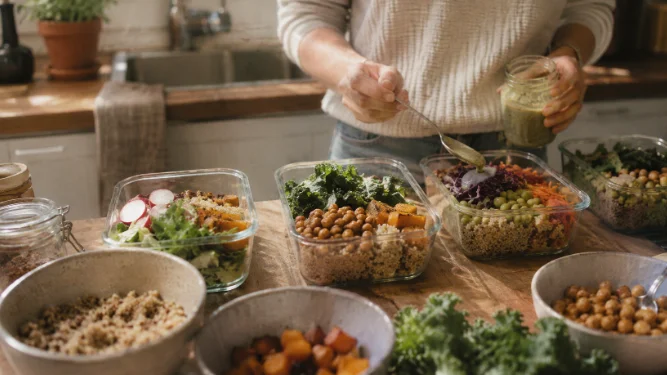
For better flavour distribution, mix half the dressing into the grains before adding the vegetables and protein. Drizzle the remaining dressing over the finished bowl.
If the bowl tastes dry but already has enough seasoning, thin the dressing with a little water rather than automatically adding more oil. If it tastes flat, try a squeeze of lemon or a small pinch of salt before increasing the amount of dressing.
Ingredient Substitutions for Different Dietary Needs
Homemade dressings are easy to adapt, but replacing an ingredient involves more than simply matching quantities. Tahini contributes richness and thickness, mustard helps hold a vinaigrette together, and miso provides both saltiness and savoury depth.
Understanding those functions makes substitutions more successful.
Dressings Without Tree Nuts or Peanuts
All seven recipes are made without intentionally added peanuts or tree nuts. Sunflower seeds, tahini, silken tofu and suitable plant-based yogurts offer several alternatives to the cashew-based sauces commonly found in vegan recipes.
However, ingredients can be processed on shared equipment. Check product labels and consider cross-contact risks when preparing food for someone with an allergy.
The Canadian Food Inspection Agency identifies sesame, mustard and soy as priority food allergens alongside peanuts and tree nuts. A nut-free dressing is therefore not necessarily suitable for everyone with food allergies.
Sesame-Free Alternatives
Replace tahini with sunflower seed butter if sunflower seeds are suitable for your dietary needs. The flavour will be milder, but the dressing will retain a similar creamy consistency.
For the miso-ginger dressing, omit the toasted sesame oil and use additional canola oil instead. Fresh ginger and rice vinegar will still provide plenty of character.
Soy-Free Alternatives
For the creamy lemon and dill dressing, replace silken tofu with a suitable unsweetened oat-based yogurt or blended sunflower seeds.
Traditional miso usually contains soybeans, so check the label if you need to avoid soy. Chickpea-based miso may be an alternative where available, provided its ingredients and manufacturing practices meet your dietary requirements.
If you need to avoid mustard, leave it out of a vinaigrette and whisk or shake the dressing immediately before serving. The mixture may separate more quickly, but it can still taste excellent.
Preparing Grain Bowl Dressings Ahead of Time
Having homemade dressing ready in the fridge makes it much easier to turn leftover grains, vegetables and legumes into a satisfying lunch.
Rather than preparing all seven recipes at once, choose two with contrasting flavour profiles. A bright vinaigrette and a creamy dressing will cover a surprising range of meals.
For example, prepare maple Dijon for roasted vegetables and barley, then make lemon tahini for quinoa, chickpeas and fresh vegetables. Both dressings can also be used over salads or served alongside cooked vegetables.
The advantage of building a week’s lunches around a few versatile dressings is that you can change flavours without preparing an entirely new meal every day. The same batch of cooked grains and roasted vegetables can become a tangy lunch on Monday and a creamy, savoury bowl on Tuesday.
Store homemade dressings in clean, sealed containers in the refrigerator at 4°C or colder. For these recipes, particularly those containing fresh garlic, tofu, soaked seeds or fresh herbs, preparing enough for two to three days at a time is a sensible, conservative approach consistent with Health Canada’s general guidance for refrigerated leftovers.
Label each container with the preparation date and use a clean spoon whenever you remove dressing. Shake vinaigrettes before serving, and loosen creamy dressings with a little drinking water if they have thickened during refrigeration.
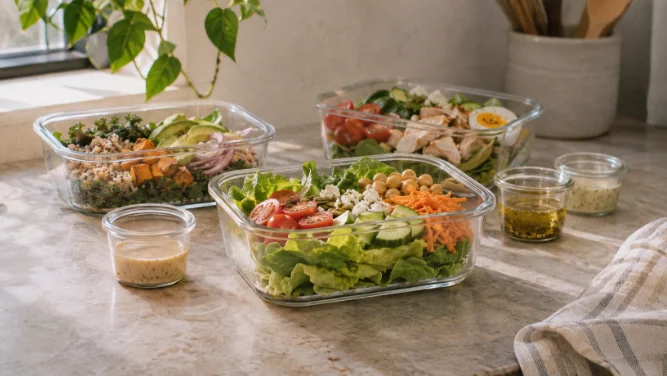
For packed lunches, keep the dressing in a separate container until you are ready to eat. This gives you more control over the texture and prevents the grains from absorbing too much moisture during storage.
There is no need to collect dozens of dressing recipes to make interesting grain bowls. Start with a combination that suits the ingredients you regularly buy, then adjust the acidity, seasoning and consistency to your taste. Once you understand how different flavours work together, even a bowl of leftover rice and vegetables can become something worth looking forward to.